

Reasons for a stiff door lock
If your door lock is sticking, there are a number of different things that could be causing it. These include:
- Build up of dirt: This is particularly common after building work, when dirt and debris can get stuck in the locking mechanism. If you’ve had any building work done, it’s a good idea to check your locks to make sure they’re free from dust and dirt.
- Cold weather: When the temperatures drop, locks can seize up. This can be caused by moisture getting trapped inside the lock, which then turns to ice in freezing temperatures, causing the locking mechanism to become stiff. Metal components can also contract in the cold, which can make the lock feel stiff.
- Hot weather: In particularly high temperatures, heat can cause the locking components to swell and move out of alignment, which can make it hard to turn the key.
- Subsidence: This is when the ground beneath a property sinks, causing structural damage. It can cause the door frames to move or warp, which can in turn lead the locks to become misaligned. If you think subsidence is the cause of stiff door locks, it’s important to have a professional inspect your property.
- Draft excluders: These can be great for insulating your home, but they can shift the locked position, which can make it harder to open and close.
- Worn-out or low-quality locks: Over time, internal parts can break - cheaper locks, especially, may degrade faster. If this is the case, replacing the lock with a higher quality alternative can improve the lock’s functionality and security.
Additionally, some people, such as the elderly or those with arthritis, may also struggle to turn the key due to reduced hand strength or joint pain. In these cases, key-turning aids, such as large-grip key holders or electronic smart locks, can make unlocking doors easier.
Instructions on How to Fix a Stuff Door Lock
Step One: Apply the graphite powder
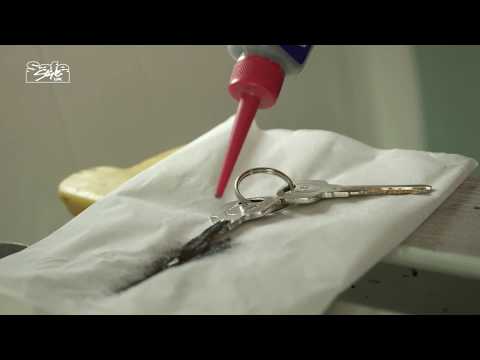
Powdered graphite usually comes in a tube that makes application easy, just place the tip of the nozzle inside the lock and squeeze a little out. Do the same for the key, gently apply to both sides. If you do not have any powdered graphite available then rub the tip of a pencil against the lock and insert and twist several times.
Step Two: How to use graphite powder
Once graphite has been applied, simply insert the key and twist. Repeating this action several times to ensure that the graphite (either from a pencil or powder) is properly distributed throughout the lock. Once complete locking and unlocking should become much smoother.
If you are not able to access any graphite you can try using a graphite pencil instead. Simply rub the end of the pencil over the key and insert and remove it from the lock a number of times. Follow our handy video below for a step by step guide on how to fix a stiff door lock using graphite and a graphite pencil.
Do I Need to Clean a Door Lock?
Why Cleaning Your Door Lock is Important
It’s important to regularly clean your door lock in order to keep it in good working condition and prevent it from becoming stiff over time.
Dirt and debris can build up inside the locking mechanism, which can lead to stiffness or difficulty turning the key. This is particularly common if you’ve had any building work, or if your home is in an area that’s exposed to high traffic or is particularly exposed to adverse weather conditions like wind and rain.
A clean lock also lasts longer. Grime can cause the internal components to wear down over time, increasing the risk of the lock breaking or jamming. By keeping it clean, you can extend the lifespan of the lock, reducing the chance of needing costly repairs or replacements.
A properly cleaned, maintained and lubricated lock also ensures smoother operation and higher levels of security. A clean lock is less likely to jam or fail, reducing the risk of being locked out or leaving your property vulnerable. Regular maintenance and cleaning will ensure your lock functions as it should, when you need it most.
How Often Should You Clean Your Door Lock?
A well-maintained door lock can help to improve your home’s security as well as ensuring it functions properly. To keep your locks in good working order, it’s best to clean them every 3-6 months when you’re cleaning your door as part of your regular home maintenance routine.
Some locks may need to be cleaned more often than this, though. If your locks are frequently exposed to harsh weather like heavy rain, snow or extreme heat, they may gather dirt and grime more quickly, meaning they’ll need more regular attention. You may also need to clean locks in high-traffic areas (like front doors or office entrances) more often.
Additionally, if you’ve had any building work in or around your home, there may be a buildup of dust and dirt, meaning the locks should also be cleaned more frequently. If your locks are exposed to harsh weather, dust, or heavy use, clean them every 1-2 months instead of the usual 3-6 months.
However, it’s a good idea to remain flexible. If you notice any resistance or stiffness, it may be time for a quick inspection and cleaning of your locks.
What You’ll Need
It’s quick and easy to clean your locks – but to do so, you’ll need to gather a few tools:
- Soft brush or toothbrush: This will help you to gently remove dirt, dust and debris from inside the lock components, without damaging the lock’s surface.
- Graphite lubricant or silicone spray: These lubricate the locks, helping to keep the internal component working smoothly. Avoid using oil-based products like WD-40, as they can attract more dirt.
- Compressed air: This is optional, but it can be useful for removing deep-set debris and hard-to-reach areas.
- Damp cloth: A soft, damp cloth can be used to wipe down the exterior of the lock so you can remove dirt, dust and fingerprints.
- Mild soap and water: A gentle solution, soap and water can be used to clean handles – just avoid using any harsh chemicals to avoid damaging the metal and inner components.
Step-by-Step Guide to Cleaning a Door Lock
Step 1: Remove Surface Dirt
Firstly, gently clear dust from the keyhole. You can either use compressed air to blow the dust and grime away, or softly clean out the keyhole with a soft brush.
Step 2: Clean the Keyhole
Next, it’s time to clean inside the keyhole. First try to insert and remove the key a few times - this should loosen the debris. This might be all you need to do, but if it needs a little extra attention, you can use a dry cotton swap to wipe inside the keyhole.
Step 3: Lubricate the Lock Mechanism
Then put some graphite powder or silicone-based lubricant onto both sides of your key, and insert and remove it several times. Avoid using any oil-based lubricants, as they can attract even more dirt.
Step 4: Wipe Down the Exterior
Gently clean the exterior of the lock with a damp cloth and mild soap. Avoid using any harsh chemicals or bleach as this may cause damage. Wipe the handles and surrounding areas, and make sure to thoroughly dry them to prevent any further moisture damage from building up.
It’s easiest to clean your locks if you do it as part of a regular cleaning and maintenance regime. Find out how to clean a uPVC window in our step-by-step guide.
Additional Maintenance Tips
As part of your regular maintenance routine, there are a few other things you may want to incorporate in order to keep your locks working as smoothly as possible:
- Regularly check your locks for signs of wear and tear or any damage. If you spot anything wrong with the locks, replace them as soon as possible.
- Keep spare keys clean: Even if you don’t use your spare keys very often, it’s still important to make sure they’re well maintained. Store them in a clean, dry place to prevent dirt from entering the lock when you do use the keys.
- Don’t force the key: If the lock feels stiff or stuck, don’t force the key in. Instead, clean and lubricate the lock, which will usually stop the lock from being so stiff.
As with any other elements of your home - from older double glazing to central heating - consider upgrading your locks if they’re out of date or you’re regularly experiencing issues.
When to Call a Professional
- There’s persistent stiffness, with the lock still sticking even after you’ve cleaned and lubricated it.
- You notice any visible damage or rust inside the lock mechanism.
- If the key gets stuck or breaks inside the lock.
If your lock is stiff - and continues to be stiff - after you’ve cleaned it, you may want to consider replacing the lock or the full door. Give Safestyle Customer Care a call to get a free, no obligation quote.